
If your manual car key won’t unlock the door, the problem may be a worn key blade, seized lock barrel or damaged door mechanism. Dirt, corrosion and freezing temperatures can also stop the key from turning. Before forcing the key, check whether it enters the lock fully and turns normally. If you have a spare, try it gently. A working spare can help identify whether the original key is damaged. If neither key works, the door lock may need professional inspection.
Why Won’t Your Manual Car Key Unlock the Door?
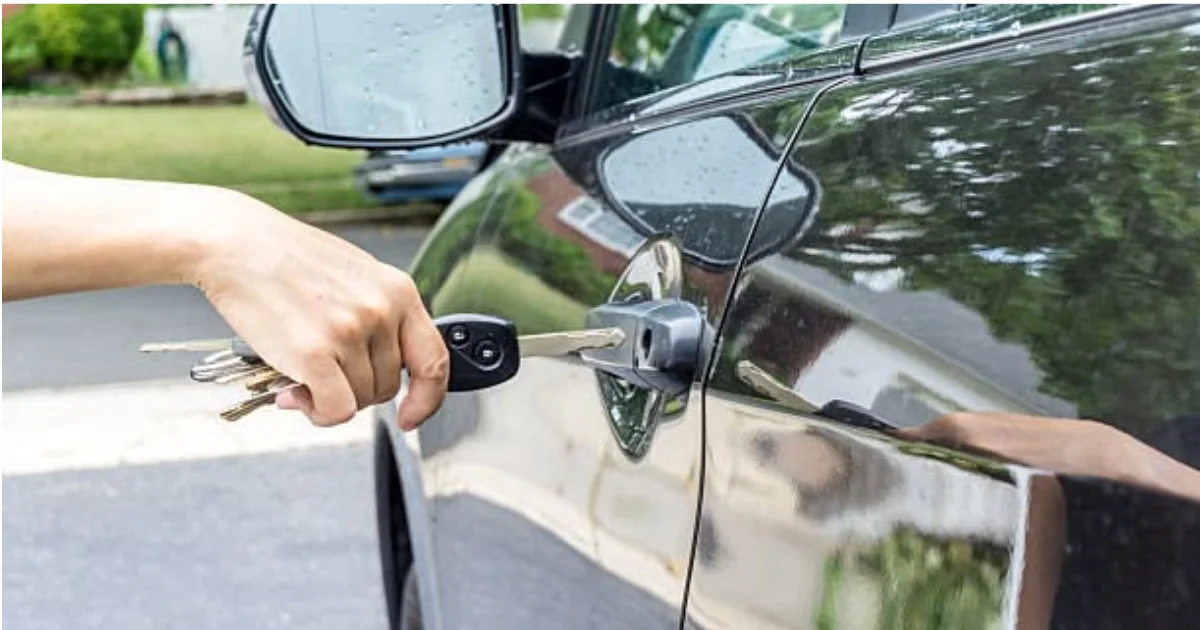
A mechanical car door lock uses a key blade to move internal components inside the lock cylinder. When the correct key turns, the mechanism should release the door lock. If the key won’t enter, turn or unlock the door, the fault may involve the blade, lock barrel or connected latch mechanism.
1. Worn or Damaged Car Key Blade
Over time, a car key’s cut edges can wear down. A bent or damaged blade may also struggle to operate the lock’s internal components. You might notice the key only works when held at a particular angle or needs several attempts to turn. If a correctly cut spare works normally, the original blade is likely worn or damaged. Avoid copying a badly worn key without checking its original cutting specifications.
2. Seized or Corroded Door Lock Barrel
A seized car door lock barrel can develop when moisture, dirt or corrosion builds up inside the cylinder. This is especially common on locks that haven’t been used regularly because the driver normally relies on remote central locking. The key may enter fully but feel stiff or refuse to turn. If resistance increases, stop rather than applying more pressure.
3. Dirt or Debris Inside the Keyhole
Dust, sand or small fragments can obstruct the lock’s internal moving parts. This may prevent the key from entering completely or aligning correctly. A car key that won’t go into the door lock could indicate a blocked keyway or damaged internal component. Don’t push objects into the keyhole to remove debris. Doing so can force the obstruction deeper into the mechanism.
4. Frozen Car Door Lock
In freezing weather, moisture inside the lock can turn to ice. This may stop the key from entering or rotating normally. If the problem appeared during a cold morning, use a suitable automotive lock de-icer according to its instructions.
The RAC’s winter driving advice recommends gentle warming and warns against using boiling water or excessive heat.
5. Broken Lock Cylinder or Door Linkage
If the car key turns but the door won’t unlock, the fault may be deeper inside the door. A damaged cylinder component, disconnected linkage or broken latch mechanism can prevent the unlocking movement from reaching the door latch. You may feel the key turning with little resistance, yet the door stays locked. This usually needs professional inspection rather than additional force.
6. Incorrect or Poorly Cut Car Key
A replacement key that hasn’t been cut correctly may enter the lock but fail to turn. Likewise, a key for another vehicle may look similar without matching the internal lock pattern. A restricted-function key may also behave differently from your normal key. Check that you’re using the correct key before assuming the door lock has failed.
What Does Your Car Key’s Behaviour Tell You?
Different symptoms can help identify where the mechanical problem lies.
| Key Problem | Possible Cause |
| Key won’t enter the lock fully | Debris, obstruction or damaged keyway |
| Key goes in but won’t turn | Worn blade, seized cylinder or frozen lock |
| Key turns but door stays locked | Broken linkage, cylinder or latch mechanism |
| Key only works after several attempts | Worn key or sticking internal lock parts |
| Spare key works but original doesn’t | Damaged or incorrectly cut original blade |
| Both keys fail in the same door | Possible door lock or latch fault |
These symptoms help narrow down the issue, but they aren’t a confirmed diagnosis.
What Should You Do When Your Manual Car Key Won’t Turn?
If your car door won’t unlock with the key, start with a few simple checks that won’t damage the lock.
- Check the key blade: Look for visible bends, cracks or unusual wear.
- Try a working spare: Compare how each key enters and turns in the same lock.
- Check for freezing: If temperatures are below zero, use a suitable lock de-icer.
- Confirm the correct procedure: Some vehicles have concealed mechanical locks or special emergency entry instructions.
- Stop if the key jams: Don’t continue turning it against strong resistance.
For example, Hyundai’s official owner’s manual explains how certain vehicles use a concealed mechanical door lock and warns against excessive force. Avoid screwdrivers, pliers or makeshift tools to turn the key. These can break the blade or damage the cylinder.
How Can You Tell if the Car Key or Door Lock Is Damaged?
Testing a correctly cut spare is one of the most useful checks. If the spare operates the door normally but your original key doesn’t, the original blade may need repair or replacement. However, a new-looking key isn’t automatically a correctly cut key.
If both keys fail in the same lock, the cylinder or door mechanism becomes a stronger suspect. You can also compare the key’s operation in another compatible mechanical lock, where the vehicle has one. Don’t assume that every door and ignition uses the same locking arrangement.
Can a Car Door Lock Be Repaired or Does It Need Replacing?
The solution depends on which component has failed. A locksmith may be able to repair or service a sticking lock cylinder, remove a broken obstruction or correct a worn mechanical component. If the original key is damaged, a correctly cut replacement blade may solve the problem.
However, a badly corroded cylinder, broken internal parts or damaged latch mechanism may require replacement. A replacement lock also needs to match the vehicle’s security arrangement. In some cases, the cylinder can be configured to work with the existing key.
How Can an Auto Locksmith Fix a Manual Car Door Lock?
An auto locksmith can inspect the mechanical key and lock cylinder to identify the source of the fault.
Depending on the problem, the work may involve:
- Checking the key blade against the correct cutting specification.
- Inspecting the lock barrel for wear, damage or obstruction.
- Servicing or repairing suitable cylinder components.
- Replacing a damaged key blade or lock cylinder.
- Checking the connected door latch mechanism.
If the vehicle is locked and the mechanical key won’t operate, the locksmith may first need to arrange suitable professional entry. The RAC’s advice on frozen and faulty vehicle access also explains why cold weather can affect locks and door mechanisms.
Get Help With a Faulty Manual Car Key From Car Keys 24
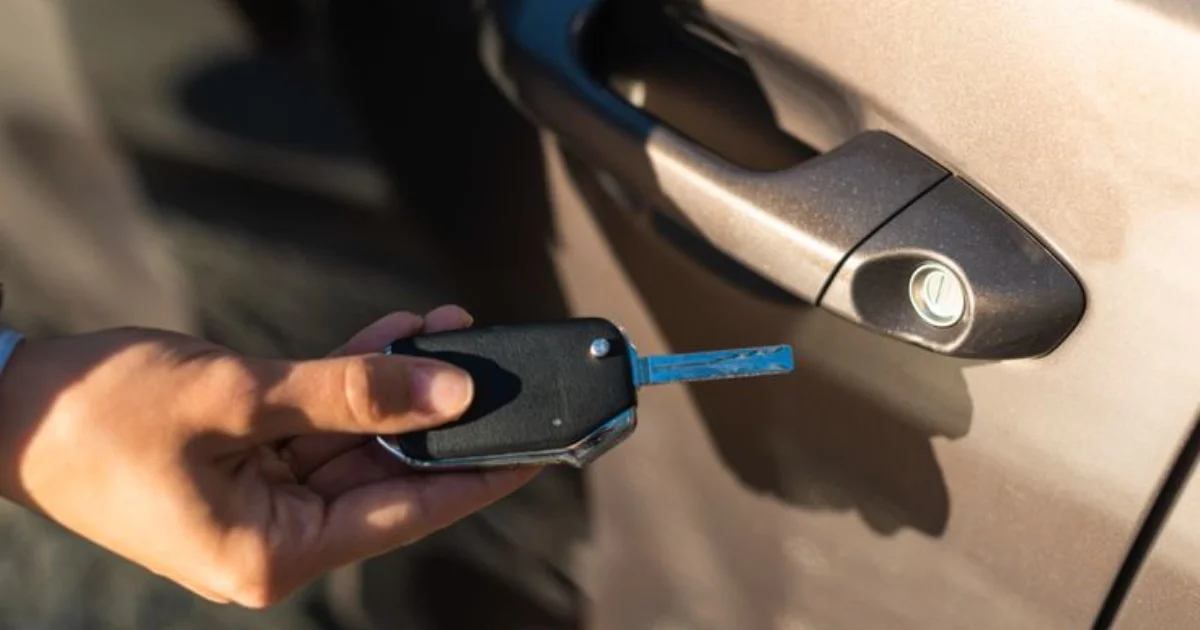
If your physical car key won’t open the door, Car Keys 24 provides mobile auto locksmith assistance. We offer car key repair services for worn, damaged and faulty keys. Our car lockout services can also help when you cannot access your vehicle.
Our technicians can assess your key and locking problem before explaining the available repair options. We serve Luton, Milton Keynes, Bedford, Aylesbury, Dunstable and other listed service areas.
Call Car Keys 24 on 07731 505 060 with your vehicle’s make, model, location and a description of how the key behaves.
Frequently Asked Questions
Why Does My Car Key Go Into the Door Lock but Not Turn?
The lock cylinder may be seized, corroded or internally damaged. A worn key blade can cause similar symptoms. Try a correctly cut spare gently to help distinguish between key wear and a mechanical lock fault.
Why Does My Car Key Turn but the Door Stay Locked?
The lock cylinder may no longer operate the connected latch mechanism. A broken linkage or damaged internal component could prevent the door from unlocking, even when the key rotates.
Can a Car Door Lock Seize From Not Being Used?
Yes. A mechanical door lock that’s rarely operated can become stiff as moisture, corrosion or dirt affects its internal parts. This can happen when drivers use remote locking for long periods without using the physical key.
Can a Locksmith Repair a Seized Car Door Lock?
Often, depending on the condition of the cylinder. A locksmith may be able to clean, service or repair suitable components. Severe corrosion or broken internal parts may require a replacement lock.
What Should I Do if My Car Key Gets Stuck in the Door Lock?
Stop turning or pulling the key forcefully. Keep it in its current position and avoid using pliers, which could snap the blade. Contact an auto locksmith if the key won’t release with gentle movement.


